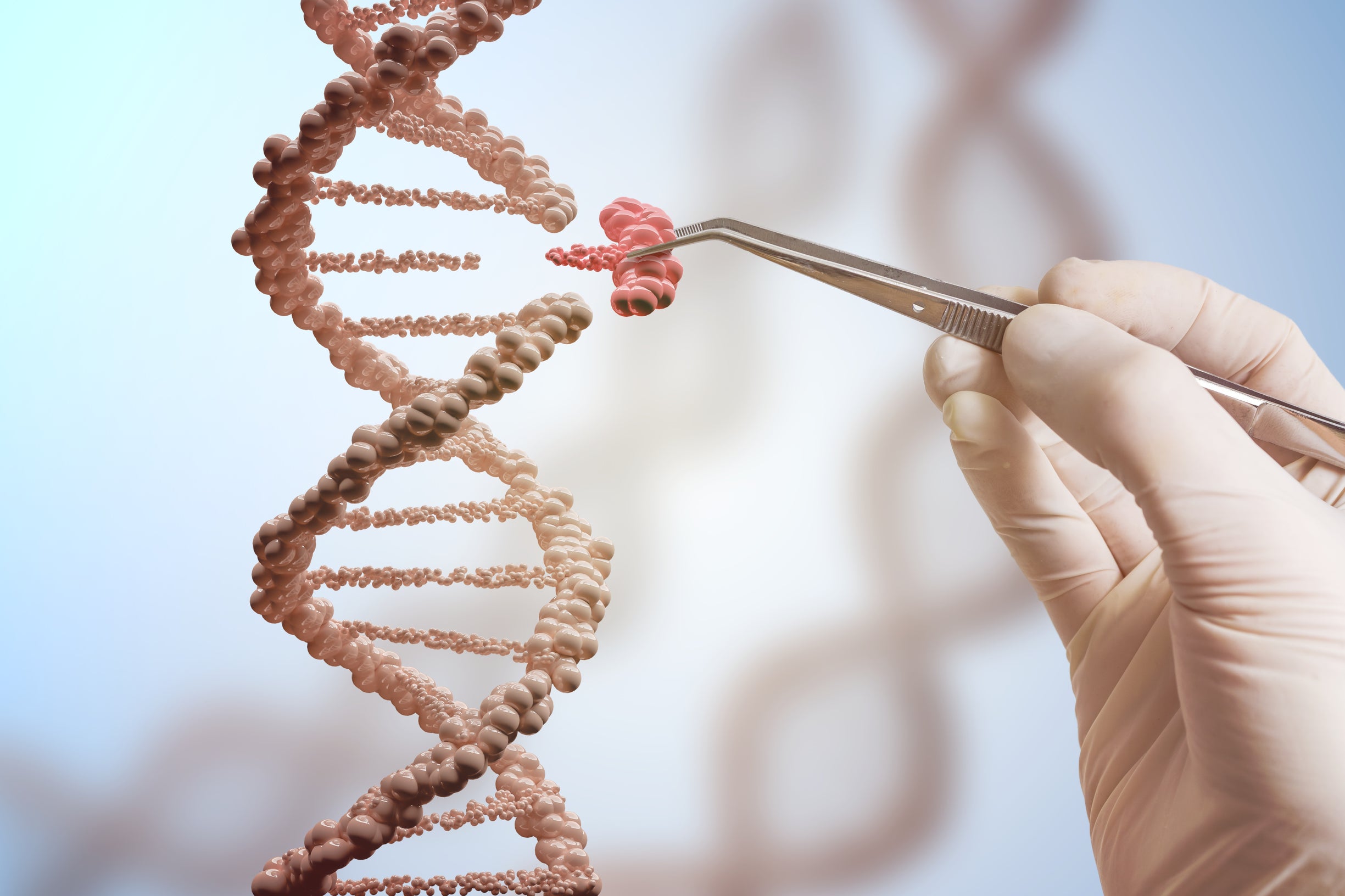
The Rice Synthetic Biology Institute gathers faculty with a common interest in synthetic biology, which manipulates DNA for the purpose of designing and redesigning biology systems. RSBI seeks to benefit society through applications in medicine, information and sustainability. RSBI research also explores how biological systems function and evolve. We use this insight to better design biological systems with new functions. RSBI's initial focus areas are living materials, living therapeutics, and living electronics. These topics leverage unique strengths and innovations at Rice that are already recognized internationally.
RSBI launched seven new seed grants to bring our synthetic biology community together, sparking seven new interdisciplinary collaborations. These awards are designed to support cutting-edge research in synthetic biology. Take a look at the projects below.
Harnessing CRISPR-Cas tools for functional genomics in non-model environmental microbes
Ross Thyer, James Chappell
In the 21st century, we need sustainable replacements for petrochemical-derived chemicals and polymers, which are materials made from oil used in everyday products like plastics, synthetic rubber, and detergents. Mycobacteriales, soil bacteria that naturally produce high levels of isoprenoid precursors, offer a solution by using low-cost feedstocks. The team of Dr. Ross Thyer and Dr. James Chappell aims to develop CRISPR tools to engineer these bacteria for efficient isoprenoid production.
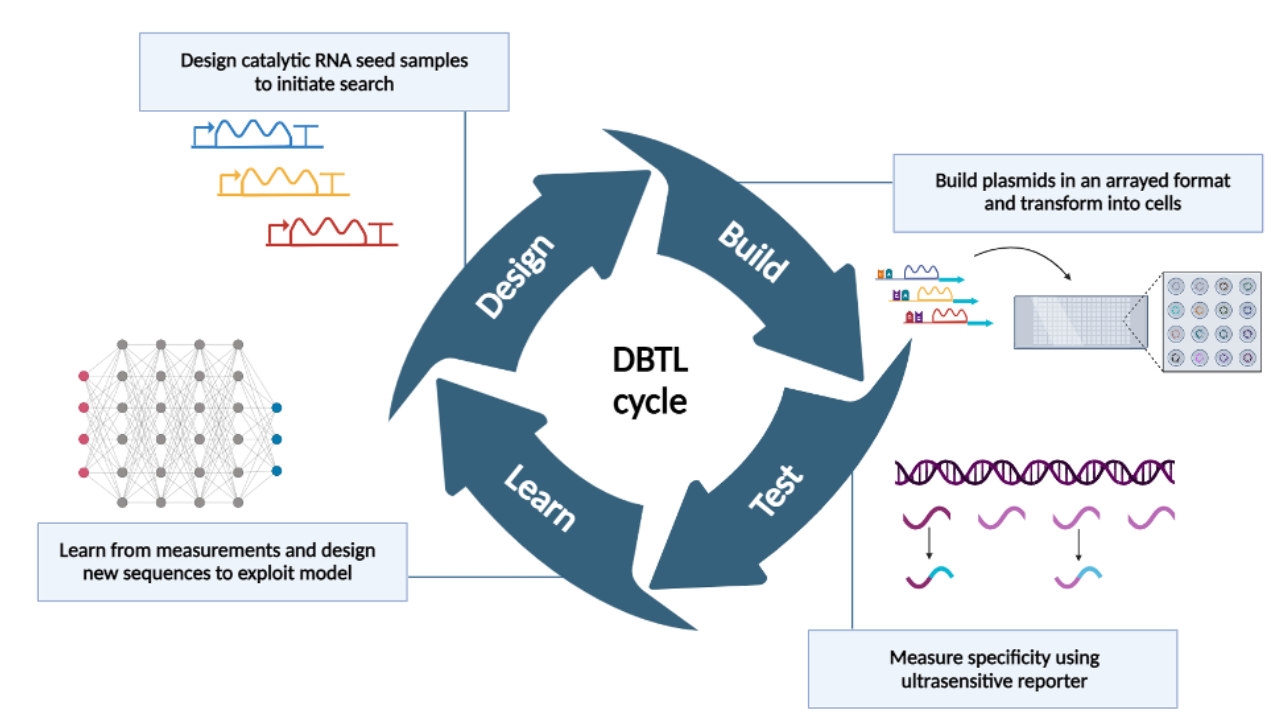
Machine learning-assisted directed evolution of genetically-encoded antibiotics with combinatorial libraries
Joff Silberg, Vicky Yao
The human body converts the amino acid tryptophan into important molecules that affect the immune system, nervous system, and various diseases. For example, understanding these molecules better could help in detecting and treating conditions like depression or heart disease. The team of Dr. Joff Silberg and Dr. Vicky Yao aims to create sensors that detect these tryptophan-derived molecules in living cells to study their roles and potentially treat related diseases. By using advanced protein engineering methods, the team will develop these sensors to specifically recognize different tryptophan metabolites for future medical and research applications.
Engineering genetically-encoded sensors of kynurenine pathway metabolites
Jeffrey J. Tabor, Han Xiao, Elizabeth Gardner
Metabolites from tryptophan impact everything from immunity to mental health, yet many remain poorly understood. This project is focused on engineering living sensors—proteins redesigned with precision and guided by machine learning—to detect these hidden signals inside cells. These tools will help us decode how the body works and develop new ways to treat disease.
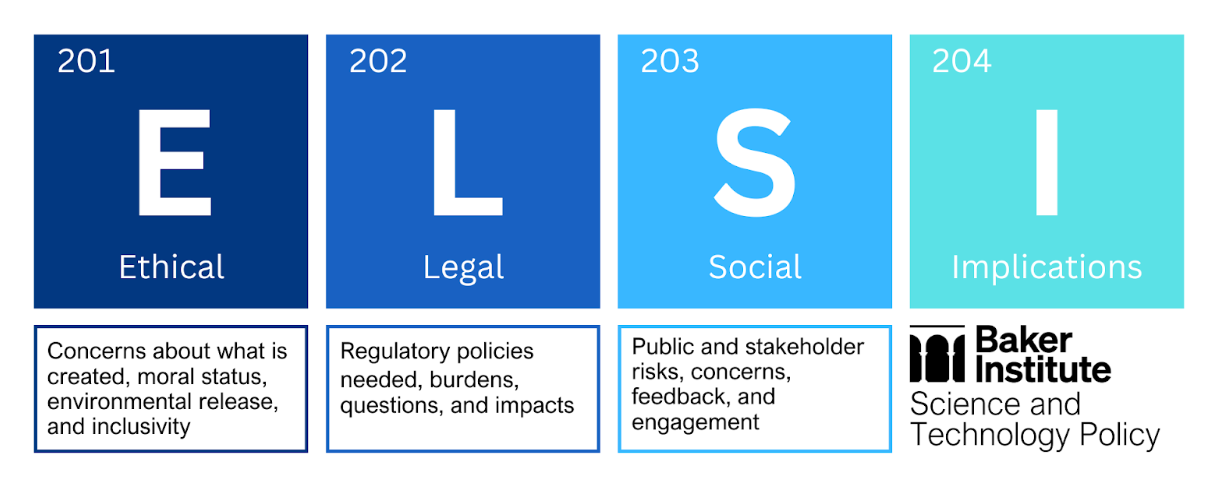
ELSI for RSBI: Ethical, Legal & Social Implications Resources for Rice Synthetic Biology Institute
Kristin Matthews, Beth Beason-Abmayr
As synthetic biology advances, so do questions about its impact on society. The team of Dr. Kristin Matthews and Dr. Beth Beason-Abmayr brings together science, policy, and ethics to guide responsible innovation. By mapping out regulations, funding gaps, and public concerns, researchers are creating tools that help scientists think about not just what they “can” build—but what they “should” build.
Recording gene expression history with a blood test
Theresa Loveless, Jerzy Szablowski
Studying gene activity deep inside the body usually requires painful and risky biopsies. The team of Dr. Theresa Loveless and Dr. Jerzy Szablowski is developing a simple blood test that can track gene changes in hard-to-reach tissues like the brain. With this tool, doctors could monitor disease, aging, or treatment effects noninvasively, over time—and with much less risk.
High throughput engineering of mammalian secretory phenotype
Caleb Bashor, Laura Segatori
Many life-saving drugs are made in mammalian cells, but boosting their efficiency is tough. The team of Dr. Caleb Bashor and Dr. Laura Segatori are using synthetic biology to fine-tune how these cells grow and make proteins. By testing thousands of genetic tweaks, they aim to find the perfect recipe for faster, more reliable drug production—laying the groundwork for the next generation of cell therapies too.
Caroline Ajo-Franklin, Matthew Bennett, Lisa Biswal
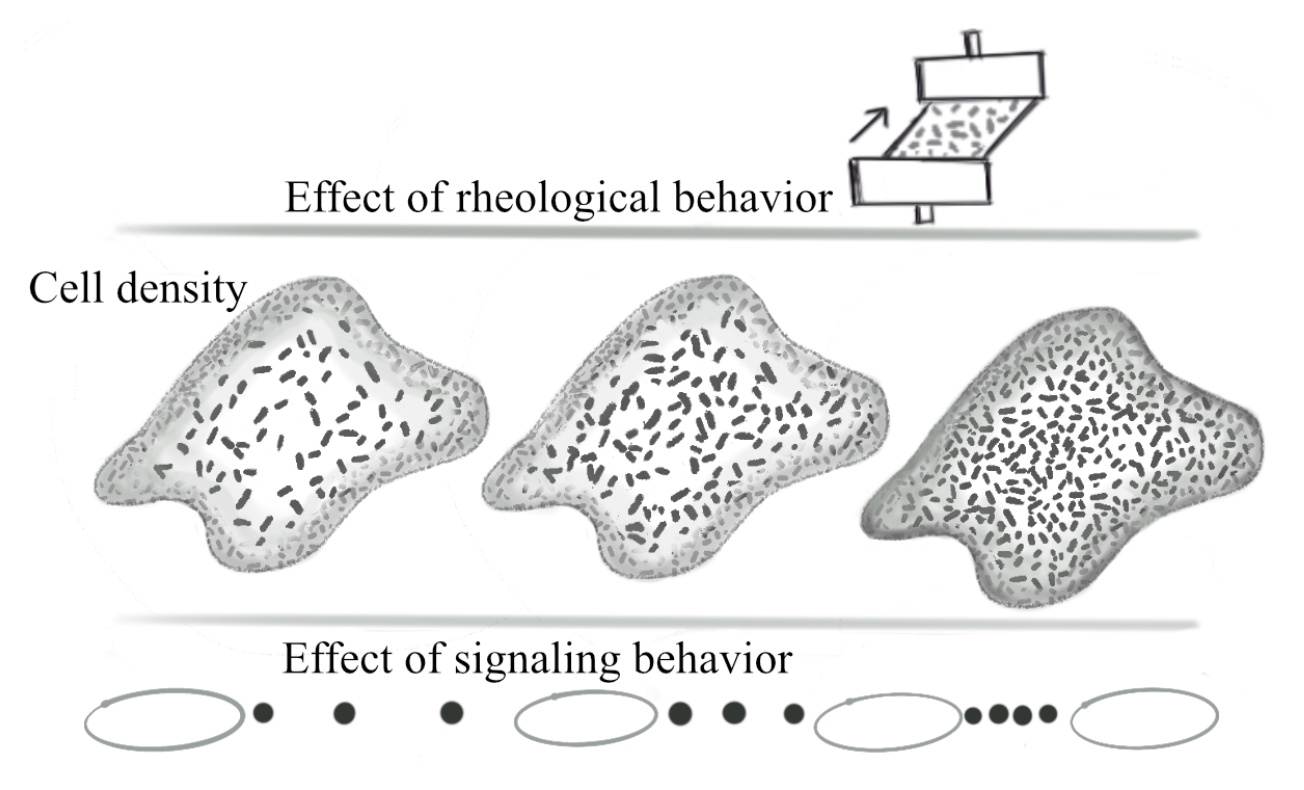
Imagine materials that are alive—able to sense their environment, change shape, and communicate between cells. That’s the goal of this research. The team of Dr. Caroline Ajo-Franklin, Dr. Matthew Bennett, and Dr. Lisa Biswal are embedding living cells into materials to make them smart and responsive. It’s a first step toward futuristic materials that could heal themselves, sense pollution, or grow stronger under stress.